- Superpower Signals
- Posts
- AI Doctors, Psychedelic Mushrooms & Medieval Hacks
AI Doctors, Psychedelic Mushrooms & Medieval Hacks
Would you trust a doctor using AI? Psilocybin mushrooms might slow aging, and a medieval migraine remedy actually works (well, partly). Plus: why green space boosts women’s health.

Tash Jamieson
July 25, 2025

🧠 Superpower Signals — July 25, 2025
Hey long-lifers 👋 This week: AI doctors are making patients nervous (but should they?), and what do TikTok health trends and medieval science have in common? Plus, mushrooms 🍄 might actually keep you younger…
One number:
🤖 Would you trust a doctor who uses AI?
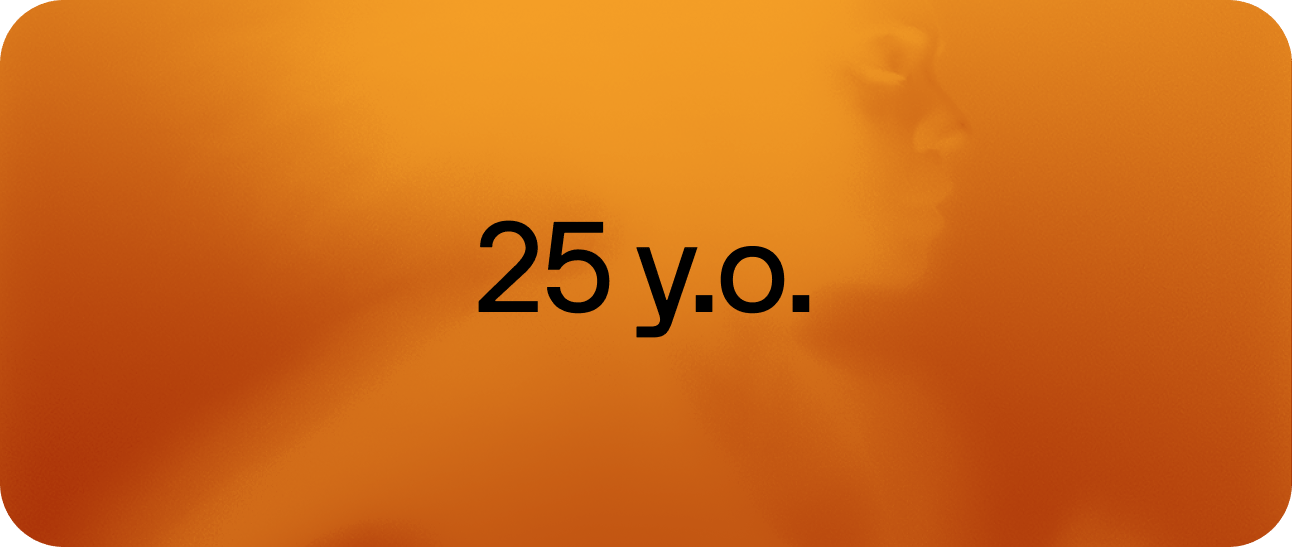
A new study published in JAMA Network Open shows patients feel less trust toward doctors who disclose they use AI, even for administrative tasks. Over 1,200 participants rated physicians as less competent, trustworthy, and empathetic when told they used AI [the study].
Trust matters in healthcare. But we have a bias against AI. A recent Nature study found people often react negatively to AI- not because of the quality of output, but simply because participants found out it was AI [the study]. That’s bias in action.
When being objective, medical AI saves time, allowing doctors to focus more on patients. It can even outperform specialists. One study showed AI detected early breast cancer 91% of the time, compared to just 74% for radiologists [the research].
🍄 Is psilocybin the key to slowing aging?
Emory University researchers discovered that psilocin, a natural compound found in psychedelic mushrooms, can significantly slow aging. It boosted the lifespan of human cells by more than 50%, and elderly mice lived around 30% longer [overview].
Psilocybin has gotten plenty of attention recently for its therapeutic benefits, but this is the first time we've seen some evidence that it could impact key aging mechanisms like telomere length, oxidative stress, and DNA repair at doses lower than those producing hallucinogenic effects.
And the timing couldn’t be better: Congress is actively discussing the therapeutic uses of psychedelics right now, so let's hope this leads to some human clinical trials [the Health Hearing].
🏰 Could medieval remedies cure your next migraine?
Surprising new research shows medieval health hacks trending on TikTok might actually have scientific merit. A thousand-year-old remedy, crushing peach pits with rose oil and applying it to the temples, echoes modern studies confirming rose oil’s ability to relieve migraines [the news].
Medieval medicine wasn’t all superstition - some remedies hold up under modern scrutiny. For example, rose essential oil has shown real evidence for migraine relief and anxiety reduction in controlled studies.
But not everything from the past (or TikTok) is safe or smart to copy. Peach pits contain amygdalin, which can convert to cyanide in the body - toxic if ingested. Even topical use hasn’t been properly studied for safety or efficacy.
“Our take” is a quick, off-the-cuff perspective on the health trends catching our eye this week. It might be a personal anecdote, a gut-check, or a philosophical lens. It’s not medical advice, just our two cents. Read with nuance.
Superpowered by you: Nature Breaks.
On a recent Huberman Lab podcast, Dr. Marc Berman shared how spending even a few minutes in nature, or simply looking at greenery, can refresh your mind, ease mental fatigue, and help reduce depression [the podcast].
For women, the benefits are even more striking. Living near urban green spaces is linked to lower breast cancer risk and milder PMS symptoms [breastcancer, PMS].
But here’s the catch: pesticides. If your local park is treated with chemicals, those benefits could flip into risks. Living within a mile of golf courses (known pesticide hotspots) increases Parkinson's risk by 126% [read more].
Still, don’t skip your stroll. Just stay alert for signs of chemical spraying.
Break a leg if you’re in the San Francisco Marathon this Sunday! 🏃♀️💨

Give Superpower Signals a read and hit reply to let me know what you think. Your feedback shapes where we go next.
DISCLAIMER: The information provided in this newsletter is for educational purposes only and is not a substitute for professional medical advice, diagnosis, or treatment. Always consult your healthcare provider before making any changes to your health or wellness routine.