- Superpower Signals
- Posts
- Inflammation vs Cholesterol, Peptides & Aging AI
Inflammation vs Cholesterol, Peptides & Aging AI
Cardiologists finally admit inflammation drives heart disease, AI just rewired aging research, and peptides could fight superbugs (and maybe cancer). Plus: the cinnamon hack hiding in your latte.

Tash Jamieson
October 03, 2025

Superpower Signals — 3 October, 2025
Hi readers, welcome to Signals. America's top cardiologists finally agree on inflammation, an AI lab assistant just rewired aging research, and a rare win in the fight against antibiotic resistance.
This week:
• 3 new health discoveries
• Superpowered by You: cinnamon’s hidden superpower (yes, even in a latte)
• The Lab Note: hs-CRP and what your doctor might be missing
One number:

Versus patients with hs-CRP levels below 2 mg/L. [JAHA.119.012638]
Latest news:
🦠 Peptides: A new weapon against antibiotic-resistant bacteria
Researchers at Oregon State have discovered why some antimicrobial peptides rip bigger holes in bacterial cells than others, offering a way for designing new drugs against antibiotic-resistant infections [the news].
Our take: This is a rare piece of good news in the antibiotic resistance crisis. Instead of endlessly reworking old antibiotics, it’s exciting to see the scientific community explore peptides — and this approach could be aimed at cancer cells too. This could be quite the hero's journey for peptides: a rise from hotly contested compounds to Swiss Army knife of modern medicine [more on peptides].
🧐 Fascinated by peptides? 💉We're curious... would you read a dedicated peptides newsletter with the latest research, history, and real-world uses? |
🧬 Aging research just hit fast-track mode
AI lab partner K-Dense recently made a 'scientific breakthrough', sifting through hundreds of thousands of RNA readouts (snapshots of which genes are switched on or off inside your cells) to predict biological age far faster than traditional research.
Our take: The K-Dense discovery isn’t just another “aging clock.” The core insight is that aging isn’t uniform and different genes become predictive at different stages of life. The genes that predict age at 25 are not the same ones at 65, so the single one-size-fits-all biology clocks miss the point. K‑Dense learns stage‑specific RNA patterns and, crucially, tells you how confident any age estimate is. That is the future of clinical longevity [read more].
🔥 Cardiologists now care more about inflammation than LDL
For the first time ever, the American College of Cardiology has agreed that inflammation is a driver for heart disease, not just your standard lipid profile (LDL cholesterol, ApoB etc) [the statement].
Our take: Statins lower cholesterol, but they don’t address many of the underlying drivers of heart disease - blood-vessel damage, oxidative stress, or chronic inflammation. That’s why people with “normal” cholesterol still suffer heart attacks. Inflammation (measured by hs-CRP) picks up that hidden risk far better than a single lipid number. At Superpower, we include it in every lab test - because prevention means catching the fire, not just lowering the smoke.
“Our take” is a quick, off-the-cuff perspective on the health trends catching our eye this week. It might be a personal anecdote, a gut-check, or a philosophical lens. It’s not medical advice, just our two cents. Read with nuance.
Superpowered by You: Cinnamon.
It’s pumpkin-spice latte season. And I’ll be honest: I love a cozy drink more than most.
But that sprinkle of cinnamon isn’t just tasty. It’s got some pretty stacked health science.
Even just ½ teaspoon a day of cinnamon can lower blood sugar [the meta-analysis] and may smooth out meal-time glucose spikes [the study]. It’s also antimicrobial, high in fibre and protects against oxidative stress.
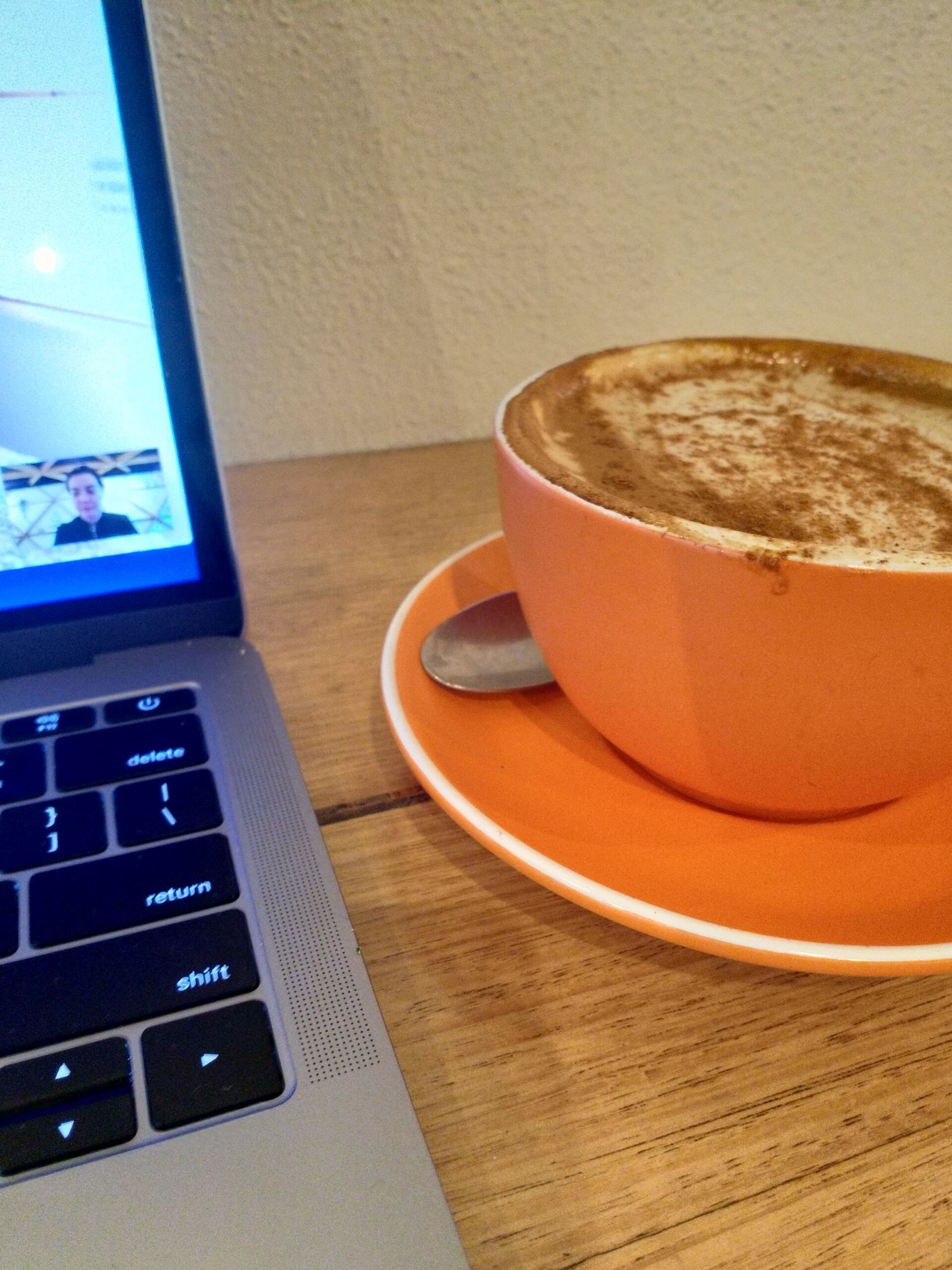
Still, I don’t think I’m allowed to justify my pumpkin-spice lattes as a superfood 🤷♀️
There’s a catch though: most “grocery store” cinnamon (Cassia) contains coumarin, a natural compound that can stress the liver in high doses. Regulators suggest keeping intake modest and, if you’re a daily user, choosing the gentler “Ceylon” cinnamon [the science].
Superpower members have the best life hacks and health stacks. Got one? Reply and we might feature it in the newsletter 🔦
The lab note:

Our optimal range: <0.5 mg/L
What it tests for: Inflammation
What it tells you about your health: Heart disease, cognitive decline, fatigue, joint pain, slow recovery.
🏃♀️Superpower Run Club
Come join us for a jog and a cold brew (while the weather is still glorious). We’re hosting the next Superpower Run Club on Sunday 5 October in San Francisco!
☕️ Post-run coffee at the Superpower X Anecdote pop-up cafe, plus a special membership giveaway 🎁 +1’s welcome!

Give Superpower Signals a read and hit reply to let me know what you think. Your feedback shapes where we go next.
DISCLAIMER: The information provided in this newsletter is for educational purposes only and is not a substitute for professional medical advice, diagnosis, or treatment. Always consult your healthcare provider before making any changes to your health or wellness routine.