- Superpower Signals
- Posts
- Your brain is trying to keep you fat
Your brain is trying to keep you fat
Plus: Could last winter's cold sore increase your risk of Alzheimer's? And are NAD boosters the remedy?

Tash Jamieson
November 21, 2025

Howdy, readers 🤠 Three standout health discoveries this week:
🧠 Why your brain is sabotaging your weight-loss journey
🧩 Do cold sores increase your risk of Alzheimer's disease…
🧬 …and are NAD boosters the protective measure?
( + that pesky dishwasher is back at it again.)
🧠 Your brain is designed to keep you fat
When you lose weight, your brain reads it as “danger”. Leptin drops, hunger spikes, metabolism slows, and your neural circuitry works to pull you back to the highest weight it remembers as “safe” [the research].
Why this matters: Weight regain is not a character flaw. It is a protective response baked deep into human biology.
Our take:
From an evolutionary lens, weight loss is a danger signal: when fat stores fall, the hypothalamus shifts into famine mode. Leptin drops, ghrelin rises, GLP-1 and PYY dip, thyroid output slows, and melanocortin pathways move into conservation. Modern life keeps overstimulating these same circuits through hyper-palatable food, chronic stress, circadian disruption, and inflammation, pushing the brain to defend a progressively higher “safe” weight.
This is exactly where GLP-1 medications work: they restore the satiety and metabolic signals the brain has become resistant to, briefly silencing the famine alarm. Stop them, and the ancient circuitry pulls weight back toward whatever level the brain believes is safest.
What you can do: Your best defense (whether using GLP-1 or not) is to build muscle, eat protein, fiber, and up your creatine. Protect your sleep rhythm and daily movement. For most people, losing about 0.5–1% of body weight per week is ideal, which usually works out to a 250–500 calorie daily deficit.
🧩 Will that cold sore give you Alzheimer’s disease?
People with Alzheimer’s are 80% more likely to have documented HSV infections [the study].
Why this matters: Past infections can leave a mark on your brain health. Knowing your infection history and immune status is key to keeping your brain healthy throughout life.
Our take:
Latent herpesviruses aren’t harmless bystanders. HSV-1, the virus behind cold sores, can travel along the nerves in the face and nose, enter the brain, spark inflammation, and trigger amyloid beta, the hallmark protein of Alzheimer’s, as part of the brain’s built-in antimicrobial defense.
And HSV isn’t the only concern: new research shows that Epstein Barr virus, another herpesvirus, can reshape immune cells and may even help drive autoimmune diseases like lupus [the research]. The bigger message: these viruses can influence the immune system for decades, and your immune resilience plays a major role in how your brain ages.
What you can do: You can’t yet erase HSV-1, but you can lower its impact. Support the systems that keep latent viruses quiet: good sleep, micronutrient sufficiency (zinc, vitamin D, B-vitamins), low inflammation, and stable blood sugar.
Quick scroll break. A tiny question for you:
Tell me what you want! 🫵🏻How deep do you want us to go on the science each week? |
🧬 NAD might reverse Alzheimers
Boosting NAD restored memory in Alzheimer’s animal models - hinting that brain metabolism may be a modifiable driver of the disease rather than a fixed consequence of aging [the study].
Why this matters: If you can fix a neuron’s energy systems, Alzheimer’s becomes more reversible than plaque drugs suggest.
Our take:
NAD boosters get dismissed because human data is still early, but this study shows why they’re worth paying attention to. Most Alzheimer’s drugs chase amyloid and tau, protein clumps that form when neurons are already failing, but they don’t fix the underlying metabolic collapse inside the cell. So when boosting NAD restores memory in animal models, it points to a bigger idea: repair neuronal metabolism, and the brain may be more reversible than we think.
What you can do: Support your NAD system with consistent sleep, regular Zone 2 and strength training, stable glucose, and adequate B-vitamins and minerals. If using NMN or NR, choose reputable, third-party-tested sources and track how you respond.
Does cognitive decline run in your family? Monitor broader metabolic and inflammatory risk, including markers like hs-CRP, homocysteine, and AD-related biomarkers.
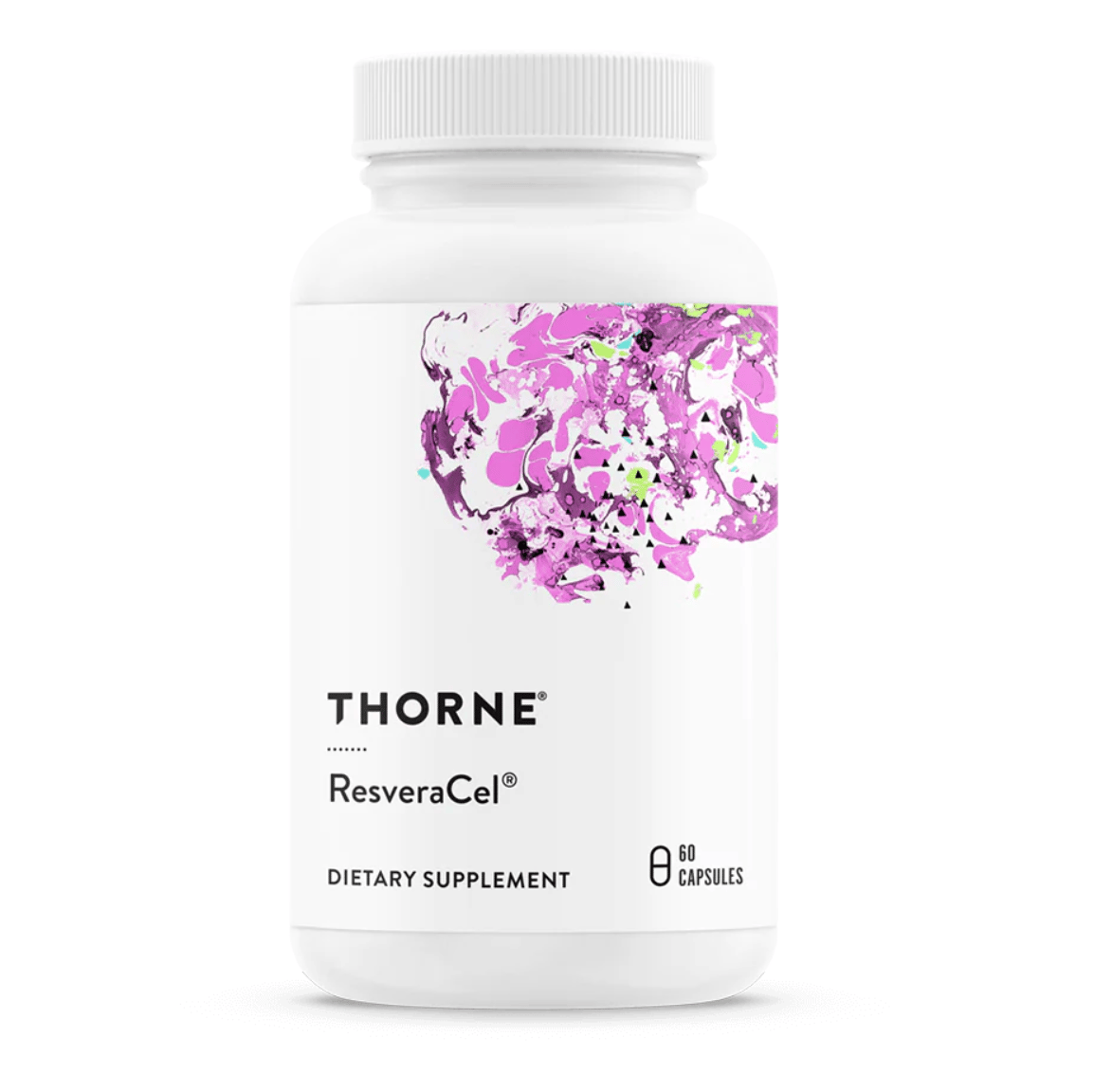
Our favourite third-party, lab tested NAD boosters:
 |  |  |
Superpowered by You: Dishwasher detergent.
After reading how dishwashers can turn into tiny indoor swamps [the deep dive], Signals reader Sam wrote in with a sharper worry. Can dishwasher detergent residue mess with your gut?
Sam’s gut-check was right.
Dishwasher detergent and rinse aid leave measurable residue on “clean” dishes — residue that ends up on your food and, ultimately, in your gut.
In several advanced lab models, these residues were strong enough to disrupt intestinal cell layers and increase inflammatory signalling [the science].
So how do you keep clean dishes and a healthy gut at the same time?

If in doubt, throw the pod out!
Use powder detergent. It generally contains fewer polymers and simpler surfactants than pods.
Skip rinse aid. The study identified rinse aid as the main barrier-damaging culprit.
Add an extra rinse cycle. Cuts residue concentration.
Do not overload the dishwasher. Strong water flow is what clears films.
Choose medium heat. Higher temperatures help polymers stick more tightly to ceramics.
Check labels for phosphonates or quats, and sticky polymers. If you see them, put the box back.
And for those following our ongoing office dishwasher saga, we’ve now formalised the rules: B-Players use the dishwasher. A-Players wash by hand 😎
Got a health hack that’s changed your day? Hit reply. We might feature you next (or surprise you with a Hoodie).
The lab note:

Brain fog, low energy, anxiety spikes, migraines, or mood dips. If any of that sounds familiar, check your homocysteine.
Homocysteine climbs when methylation slows down. Methylation is a core upkeep system that supports DNA repair, brain chemistry, and energy production, so when it stalls from low B-vitamins, MTHFR variants, inflammation, or oxidative stress, homocysteine starts to rise.
I don’t even own a dishwasher. Pretty sure that makes me a C-suite threat.

Give Superpower Signals a read and hit reply to let me know what you think. Your feedback shapes where we go next.
DISCLAIMER: “Our take” is a quick, human perspective on the week’s health trends — a gut check, story, or spark of curiosity. It’s not medical advice, just our two cents. Read with nuance.
Not vibing with it? Don’t unsubscribe — hit reply and tell us why.